

 WARNING: This product can expose you to chemicals that are known to the State of California to cause cancer, birth defects or other reproductive harm. For more information, visit www.P65warnings.ca.gov.
Product Information
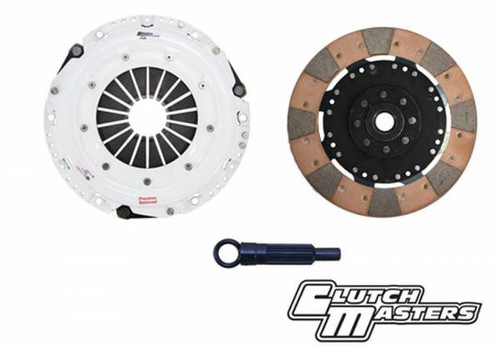
- Diameter [mm]: 240
- Parameter: M240
- Heavy Duty Version:
- for vehicles with single disc clutch
- Can be paired with the factory Flywheel
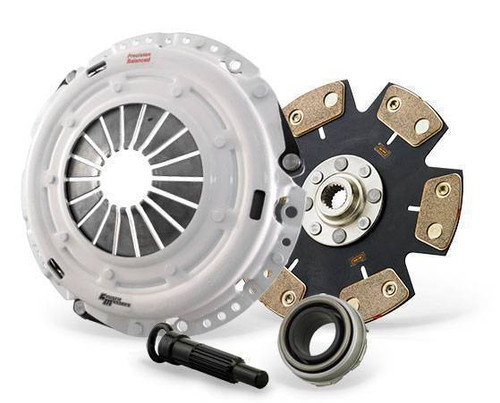
Performance clutch cover differences to OE: higher transmittable torque, higher clamp load, release travel might be less, possible higher pedal force. Effortless exchange with OE clutches
Typical applications include: chip tuning, turbocharger and supercharger modifications, towing trailers, commercial vehicles, snowremoval vehicles, passenger car: emergency service, driving school, taxi, vehicles with maximum gross vehicle weight and according to high load (construction-site vehicles, towing service, campers, ambulance cars, etc.), 1/4 mile-race, race circuit (endurance race, clubsport, autocross), hill climbing (e.g. group N), rally (e.g. group N), slalom, drift racing
Transmission Clutch Pressure Plate
A pressure plate is a component within a vehicle's clutch system that applies pressure to the clutch disc, allowing the driver to engage and disengage gears; when a pressure plate fails, common symptoms include difficulty shifting gears, a spongy clutch pedal, slipping clutch (loss of power during acceleration), unusual noises when engaging the clutch, and sometimes a burning smell from the clutch area.
Transmission Clutch Pressure Plate Failure Symptoms
- Difficulty shifting gears: This is a primary indicator, as a failing pressure plate may not fully disengage the clutch, making gear changes hard or jerky.
- Spongy clutch pedal: When you press the clutch pedal, it might feel soft or "spongy" instead of firm, signifying a problem with the pressure plate mechanism.
- Clutch slipping: If the engine revs up without the car accelerating properly, this indicates the clutch is slipping, potentially due to a worn or damaged pressure plate